
Business cards help people remember who you are and how to contact you. Today, businesses can choose printed cards, digital visiting cards or a combination of both. The right choice depends on your customers, networking habits and business needs.
What is a traditional visiting card?
A traditional visiting card is a printed card that usually contains a person’s name, business, phone number, email and other contact details. It is familiar, easy to hand over in person and can be designed to reflect your brand.
What is a digital visiting card?
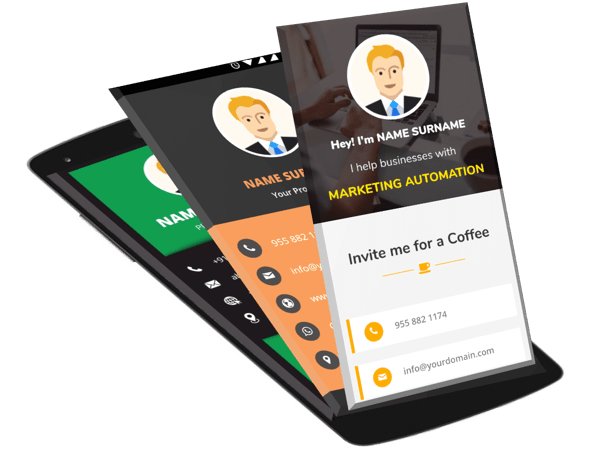
A digital visiting card is a shareable online profile. Depending on the provider, it may include clickable phone and email links, WhatsApp, a website, social media profiles, a map location and other business information.
Digital vs traditional visiting cards
| Factor | Digital card | Printed card |
|---|---|---|
| Sharing | Can be shared by link or supported digital methods | Handed over physically |
| Updating details | May be editable without reprinting, depending on the service | New print run is usually needed for changes |
| Contact actions | May offer clickable call, email and WhatsApp links | Recipients generally enter details manually |
| Physical networking | Useful when digital sharing is convenient | Useful at face-to-face meetings and events |
| Cost structure | May involve a subscription or service fee | Printing and reprinting costs |
| Internet/device needs | Access depends on the sharing method and recipient’s device | Can be read without a device or internet |
Advantages of digital visiting cards
- Convenient to share remotely and in person.
- Can combine multiple contact methods and online links.
- Details may be updated without reprinting cards.
- Can support a consistent digital brand presentation.
Advantages of traditional visiting cards
- Easy to exchange at meetings, conferences and local events.
- Does not require the recipient to open a link immediately.
- Paper, finish and design can create a tactile brand impression.
- Useful as a backup when connectivity or device access is limited.
Which option should your business choose?
If your business regularly shares websites, social profiles, WhatsApp or multiple contact options, a digital card may make follow-up more convenient. If your customers expect a physical card or you attend in-person events, printed cards may still be useful.
Many businesses can use both: a printed card for face-to-face exchanges and a digital profile for follow-up, online meetings and sharing updated information.
Explore digital cards with Digital Bharat
Digital Bharat offers digital business card solutions for professionals and businesses. Review the available features and decide whether a digital profile fits your networking process.
Explore Digital Bharat to learn more.
Frequently asked questions
Is a digital visiting card always cheaper?
Not necessarily. Costs depend on the provider, plan and number of cards or users. Compare ongoing service fees with printing and reprinting expenses.
Should I stop using printed cards?
Not necessarily. A combination can work well when you network both in person and online.
What information should I include?
Start with your name, role or business name, preferred contact method, website and the social links most relevant to your customers. Avoid cluttering the profile with unnecessary information.